
Is Climate Change Affecting Kilimanjaro?
Kilimanjaro’s glaciers have changed dramatically over the past century and a half. Around 1880, the ice covering the mountain stretched across roughly 20 square kilometres. By 1912, it had shrunk to 12.1 sq km, and today only about 2.5 sq km remains - a decline of nearly 90%. Much of this reduction happened long before recent global warming trends, highlighting the mountain’s unique climate and natural cycles.
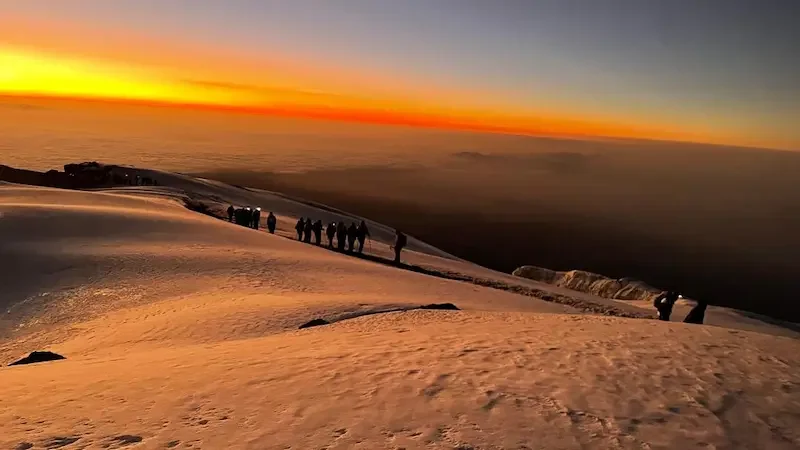
A Living Mountain, Not Just a Glacier
Mount Kilimanjaro is more than just ice - it’s a world of breathtaking views, diverse ecosystems, and life-changing adventure. While the shrinking glaciers are a striking reminder of environmental change, they also offer climbers a rare chance to witness the mountain’s resilience and the delicate balance of sun, snow, and altitude.
Unlike glaciers in Alaska or the Andes, Kilimanjaro’s ice isn’t melting primarily because of rising air temperatures. Summit temperatures rarely rise above -3°C, far below freezing. So what drives the ice loss?
Solar radiation - Sunlight hitting the vertical ice walls causes sublimation, turning ice directly into water vapour.
Lack of snowfall - Fewer storms mean the ice isn’t being replenished.
Sublimation - A process that requires more energy than melting, influenced by sunlight and dry air.
Even with this decline, Kilimanjaro remains an awe-inspiring climb. Each step takes you through tropical forests, alpine deserts, and rocky slopes - a living story of natural forces and human adventure. Witnessing the ice today is both humbling and exhilarating, a reminder that the mountain’s majesty is about far more than its glaciers alone.
Global Warming’s Role: Indirect, but Real
Does that mean climate change isn’t affecting Kilimanjaro at all? Not exactly. While rising greenhouse gases may not be the main cause, they can influence rainfall patterns via changes in the Indian Ocean, which indirectly affects snowfall and ice accumulation.
Still, Kilimanjaro’s glaciers are far more sensitive to moisture than temperature, making this mountain unique among the world’s retreating glaciers.
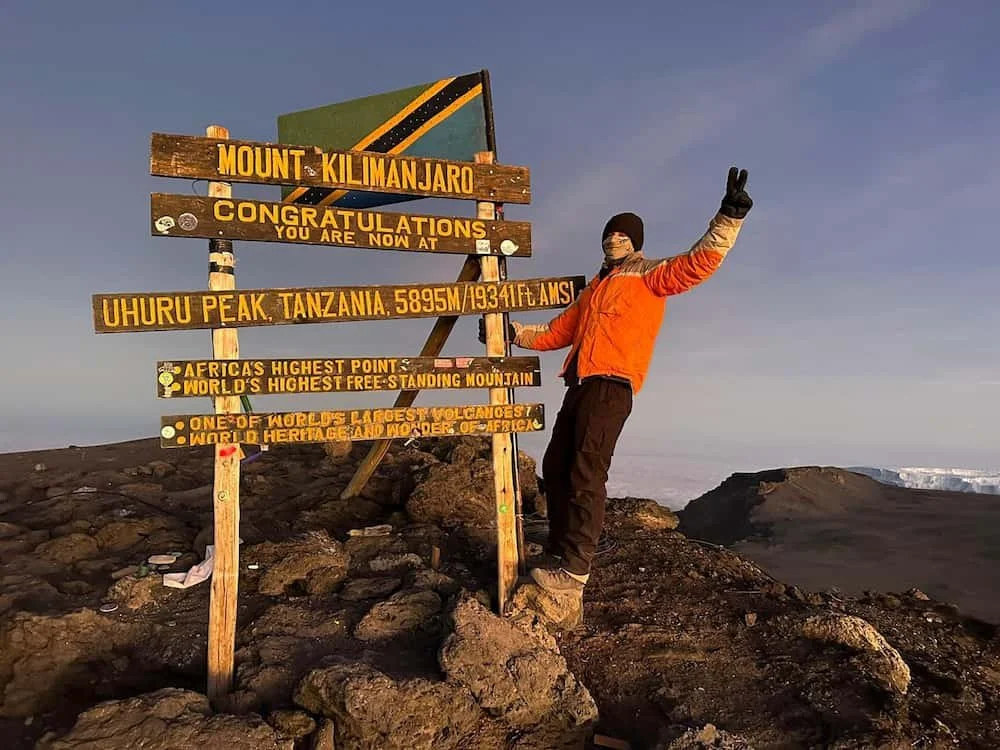
Why Climbing Kilimanjaro Matters
Here’s the good news: shrinking ice doesn’t mean the mountain has lost its magic. In fact, every step you take on Kilimanjaro is a chance to witness a living natural wonder and contribute to awareness of fragile ecosystems.
Climbing Kilimanjaro:
Connects you with nature – From lush rainforest at the base to alpine desert near the summit, the mountain is a showcase of diverse habitats.
Supports conservation and local communities – Trekking responsibly helps fund sustainable tourism and protect Kili’s wildlife and glaciers. At Peak Expeditions Tanzania we are a local operator that uses local businesses for all equipment, food & accommodations to make sure every penny you spend on climbing Kilimanjaro benefits the local Tanzanian people. Also around $1100 of your climb is spent on hiking permits which is paid directly to the Tanzanian government to sustain the mountain & the many trekkers who climb it.
Challenges and rewards – Summit day offers a once-in-a-lifetime sense of achievement, with panoramic views that few other experiences can match.
Kilimanjaro’s glaciers may be shrinking, but the mountain continues to captivate. Its ice, shaped by sunlight, snowfall, and sublimation, is a reminder of nature’s power and fragility.
Source: American Scientist
